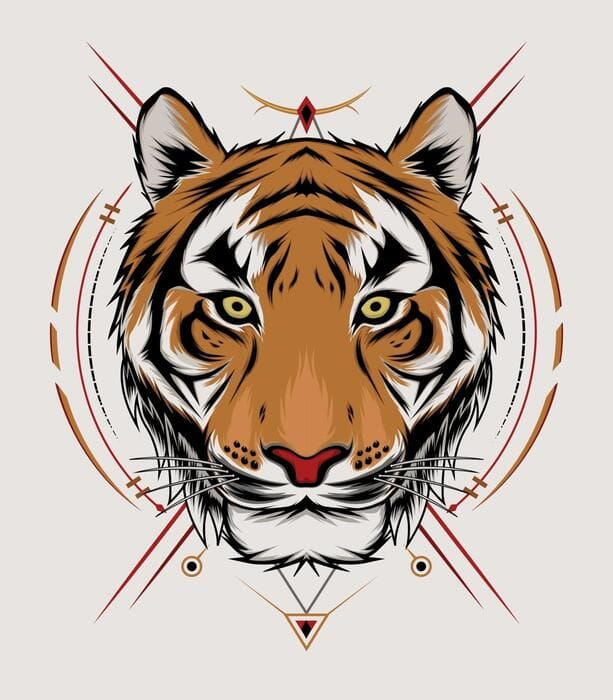
Vector Art is a staple in the creative world of today. It's used by designers, illustrators and businesses to create high-quality and scalable visuals. Vector illustrations are perfect for any application, whether it's for print media, embroidery digitizing or digital media. They allow for clean and precise designs, which maintain clarity no matter what size. Understanding vector art is essential for entrepreneurs running embroidery businesses, or those creating custom designs. You can produce embroidery projects in style and precision by using embroidery digitizing service. This guide provides a comprehensive overview of vector illustrations, including their advantages, applications and best practices.
What is vector art?
Vector Art uses mathematical equations in order to create colors, shapes, and lines. Vector images are sharper and crisper at any size than raster pictures, which use pixels and lose quality when they're enlarged. Vector art is ideal for logos and illustrations with fine details because it can be scaled up or down. Vectors are a great starting point for embroidery digitizing because they translate easily into stitch patterns. Vector format is often required by digitizing services to ensure accuracy and density of stitching when creating items in DST file format.
Vector Art Illustrations: Benefits
Scalability Vector Art can be resized to any size without losing quality. This makes it ideal for small patches and large banners.
Precision: Clear lines and clean lines make it easy to digitize designs for embroidery or printing.
Editability Each element of vector illustrations is individually editable, allowing designers the ability to change colors, shapes and layers.
File Efficient: Since vector files are smaller than high resolution raster images and easier to store, they can be shared.
Professional Appeal - Businesses (including embroidery businesses) can use vector designs in order to produce polished and consistent products on different media.
Common applications of vector art
Vector art can be used in many industries and creative fields. Vectors are used to create logos, icons and infographics. They maintain their quality no matter what size they are. embroidery digitizing is often used to convert vector art into machine-readable file formats in the embroidery industry. It ensures that designs are stitched precisely, whether you're producing apparel, accessories or promotional items. Professional digitizing services optimize vector files to be compatible with embroidery machines, and other file formats such as DST file format. This ensures efficient production and high quality results.
Digitizing Embroidery and Vector Art
It is important to plan carefully when converting vector images into embroidery-ready files. Embroidery Digitizing is the process of translating shapes, colors and lines from a vector illustration into different stitch types, densities, and directions. This allows the embroidery machine reproduce the design on fabric accurately. embroidery digitizing service optimizes vector art to avoid thread breaks, smooth stitch transitions and maintain design integrity. Vectors are a great way to create professional embroidery for your embroidery company, whether it's custom clothing, branded products, or personalized gift items.
How to Create Embroidery Ready Vector Art
Simplify complex designs: Reduce the number of details to avoid overcrowded stitches.
Use bold lines and clear shapes: Clear edges translate into stitch paths better during digitizing.
Limit color palettes: Too much color can increase production time for dst files embroidery file formats.
Test Digitized samples: Always stitch a test sample before mass production to check stitch density, thread compatibility, and alignment.
Work with digitizing experts: Take advantage of professional embroidery digitalization services to ensure that your vector designs translate smoothly into embroidery.
Tools for Vector Art
Professional software is required to create high-quality vector art. Adobe Illustrator, CorelDRAW and Affinity Designer have become popular choices for creating scalable vector art. These programs enable designers to create clear shapes, layers and paths, which are perfect for embroidery conversion. After the vector design has been completed, it can then be sent to digitizing services for them to create files compatible with embroidery machine, usually in DST file format. The use of vector-based workflows will ensure that the final embroidery design maintains sharpness, proportion and quality.
Benefits of Using vector art in an Embroidery business
Vector art has many strategic benefits for an embroidery company. Vector illustrations can be used for multiple projects, are easily scalable and reusable. This flexibility allows companies to quickly expand their product offering and maintain consistent quality across apparel and accessories. Customized Embroidery Digitizing combined with vector designs allows for superior results, which satisfy customers and improve brand reputation. By using embroidery digitizing, even the most complex vector designs can be converted to dst files for efficient stitching.
Common challenges and how to overcome them
Working with vector art can be challenging, despite its benefits. Certain gradients and textures might not translate well to thread, or certain designs that are too complex may need to be simplified. embroidery digitizing service can assist in overcoming these challenges. They do this by optimizing the stitch paths, adjusting the density and recommending modifications to designs. Custom embroidery digitizing tools, expert advice and a variety of tools ensure that your vector art will be adapted to machine embroidery correctly. This preserves the design intended while maintaining high quality results.
Conclusion
Vector Art Illustrations are a great foundation for creative and professional embroidery projects. Designers and business owners who know how to convert vector designs using Custom embroidery digitizing can achieve polished and precise results. By using professional digitizing services, your vector artwork will be accurately translated into embroidery. This is often done in dst format for a variety of applications, including apparel, accessories and branded merchandise. Mastering vector art opens endless creative opportunities, whether you run an business, or create personalized projects. 1dollardigitizing offers high-quality and affordable digitized illustrations.